
News
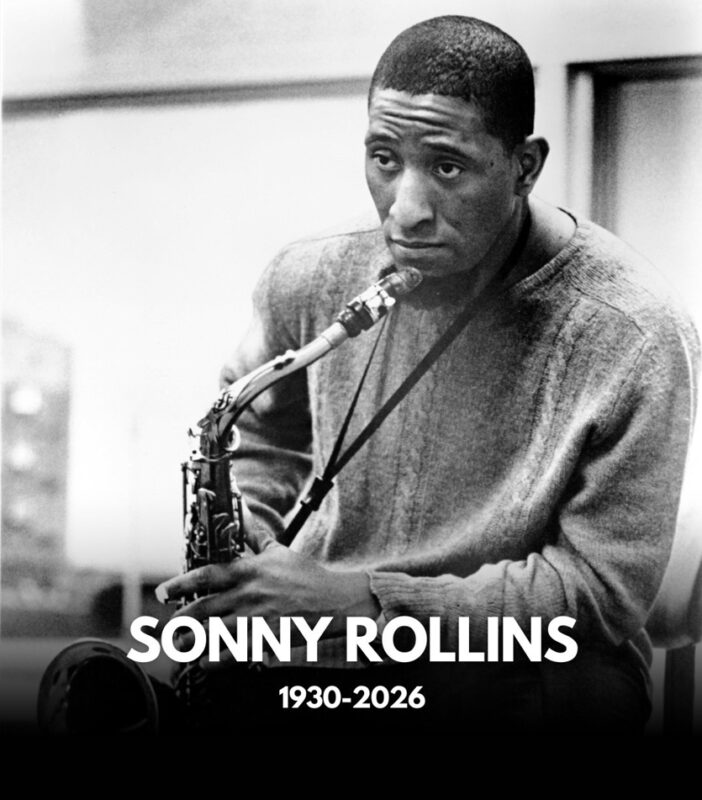
Sonny Rollins, Last Jazz “Saxophone Colossus,” Dead at 95
May
Our products for Sonny Rollins at HERE.
Sonny Rollins, Last Jazz “Saxophone Colossus,” Dead at 95
Jazz legend Sonny Rollins has died at the age of 95. The iconic musician passed away Monday at his home in Woodstock, New York, according to a statement shared on his social media accounts.
Fans and musicians around the world remember Rollins as one of the greatest saxophone players in jazz history. His bold sound, creative improvisation, and spiritual approach to music shaped modern jazz for more than 70 years.
Sonny Rollins Helped Define Modern Jazz
Born in Harlem, New York, Rollins grew up in one of America’s most important cultural centers. His parents came from the U.S. Virgin Islands, and Caribbean rhythms strongly influenced his music.
As a young musician, Rollins learned from jazz greats such as Charlie Parker, Miles Davis, and Thelonious Monk. He quickly became known for his powerful tenor saxophone style.
In 1956, Rollins released the landmark album Saxophone Colossus. The record earned him worldwide recognition and inspired his famous nickname, “Saxophone Colossus.”
The album also included St. Thomas, one of the most popular jazz compositions ever recorded. The song blended hard bop jazz with Caribbean calypso influences from his childhood.
The Famous Williamsburg Bridge Practice Sessions
At the height of his success, Rollins decided to step away from public performances. He wanted to improve his skills and search for a deeper musical voice.
During this break, he spent countless hours practicing on New York’s Williamsburg Bridge. He often played alone for long periods, even during cold weather.
Those practice sessions inspired his classic 1962 album The Bridge. Many jazz fans still consider it one of his finest works.
Music With Social and Political Meaning
Rollins believed music should express emotion, truth, and social awareness. He often used jazz to reflect the struggles and hopes of African Americans.
In 1958, he released Freedom Suite. The groundbreaking work addressed racial injustice during the civil rights era.
He also celebrated Black identity through songs like Airegin. The title spells “Nigeria” backward and honored African heritage.
After the September 11 attacks, Rollins once again turned to music for healing. He lived only a few blocks from the World Trade Center and experienced the tragedy firsthand. Days later, he performed in Boston in tribute to the victims.
Spiritual Life Influenced His Music
Rollins explored spirituality throughout his life. He practiced yoga, meditation, and Zen philosophy for many years.
He also traveled to India and Japan to study spiritual traditions. These experiences deeply shaped both his life and his music.
One of his best-known spiritual compositions was Patanjali, named after the ancient yoga master.
Rollins often described improvisation as a natural and subconscious process. He believed music could connect people to universal truths.
Sonny Rollins Worked Beyond Jazz
Although jazz remained his main focus, Rollins also collaborated with rock musicians. One of his most famous crossover appearances came on Tattoo You by The Rolling Stones.
The collaboration introduced his music to a wider audience and showed his artistic versatility.
Sonny Rollins Leaves a Lasting Legacy
The death of Sonny Rollins marks the end of an important era in jazz history. Few musicians influenced the tenor saxophone as deeply as he did.
His classic recordings, including Way Out West, Tenor Madness, and Saxophone Colossus, continue to inspire artists around the world.
Rollins spent his life searching for artistic growth and personal truth through music. His sound, vision, and influence will remain central to jazz for generations to come.
See more news and products at 4trendtee.com.
